Evaluating the impact of an event is just as important as planning it. Whether you manage conferences, webinars, trade shows or online experiences, understanding how to measure event success allows you to refine future strategies, justify budgets and demonstrate value to stakeholders. Yet many organisers still rely on guesswork or vague impressions rather than clear, structured evaluation. In this guide, we look at practical methods, meaningful metrics and reliable tools to help you measure outcomes with confidence.
Start with Clear Objectives
Before exploring how to measure the success of an event, it’s essential to define what success actually looks like. Not every event has the same purpose. Some aim to increase brand visibility, while others focus on lead generation, community engagement, education or revenue.
A few examples of strong objectives include:
- Achieving a specific number of qualified leads
- Increasing attendee satisfaction scores
- Improving retention among existing clients
- Boosting ticket sales by a set percentage
- Generating media coverage or social engagement
When your objectives are measurable and time-bound, it becomes much easier to decide how to measure event success in a way that reflects the true impact of your efforts.
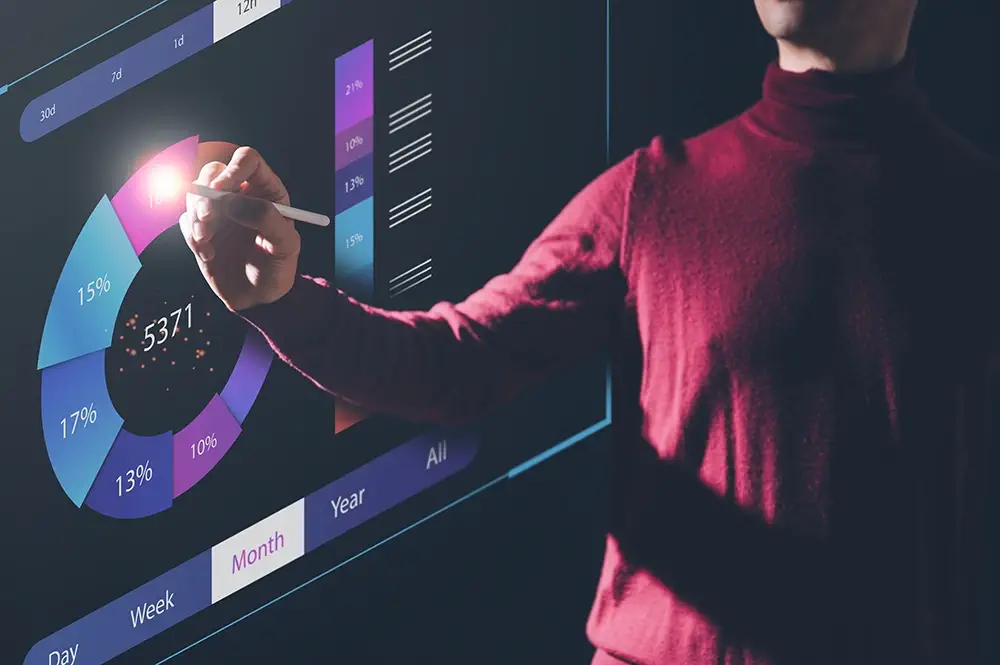
How to Measure Event Success: The Quantitative Metrics That Matter
Once your goals are clear, you can select data points that genuinely represent performance. These quantitative metrics help determine how to measure a successful event in a consistent and repeatable way.
Attendance and Registration Data
Attendance is a basic indicator, but it becomes more valuable when you break it down. Look at no-show rates, registration sources and demographic information. This provides insight into audience behaviour and highlights whether your marketing reached the right people.
Engagement Levels
Engagement metrics are particularly useful when evaluating how to measure success of event formats that rely on interaction. For in-person gatherings, this may include session participation, booth visits or live polling results. For digital experiences, track chat activity, dwell time and content downloads.
Lead Quality and Conversion
If your event’s purpose is commercial, measuring leads is essential. Consider both quantity and quality. Integrating your event platform with a CRM system helps you track conversions over time and understand whether the event contributed to meaningful revenue.
Cost and ROI
Calculating return on investment remains a cornerstone of how to measure the success of an event. Compare total costs with financial outcomes such as ticket sales, sponsorship revenue or eventual customer conversions. Even for non-profit or internal events, you can still evaluate ROI by linking outcomes to strategic goals.

Qualitative Insights You Shouldn’t Ignore
Numbers tell part of the story, but not the whole picture. Feedback helps you understand attendee perception and improve the experience from the inside out.
Post-Event Surveys
Surveys remain one of the simplest ways to answer how do you measure the success of your events. Ask about satisfaction, content relevance, logistics and likelihood to attend again. Keep surveys concise to encourage higher response rates.
Staff and Stakeholder Feedback
Those involved in delivery often see things attendees don’t. Reviewing comments from team members, sponsors and partners gives a balanced perspective on operational strengths and weaknesses.
Social Media Sentiment
Monitoring social platforms provides informal yet valuable feedback. Mentions, comments and user-generated content can reveal emotional responses and show how widely your event resonated.
Measuring Online Events
Virtual experiences require specific metrics, making how do you measure success of online events a slightly different question. Fortunately, digital platforms offer rich data that’s often more detailed than what you would gather on-site.
Key indicators include:
- Peak attendance versus overall registrations
- Average watch time
- Click-through rates on calls-to-action
- Download activity
- Drop-off points during sessions
These insights highlight what captured attention and where engagement declined, guiding improvements for future digital programmes.
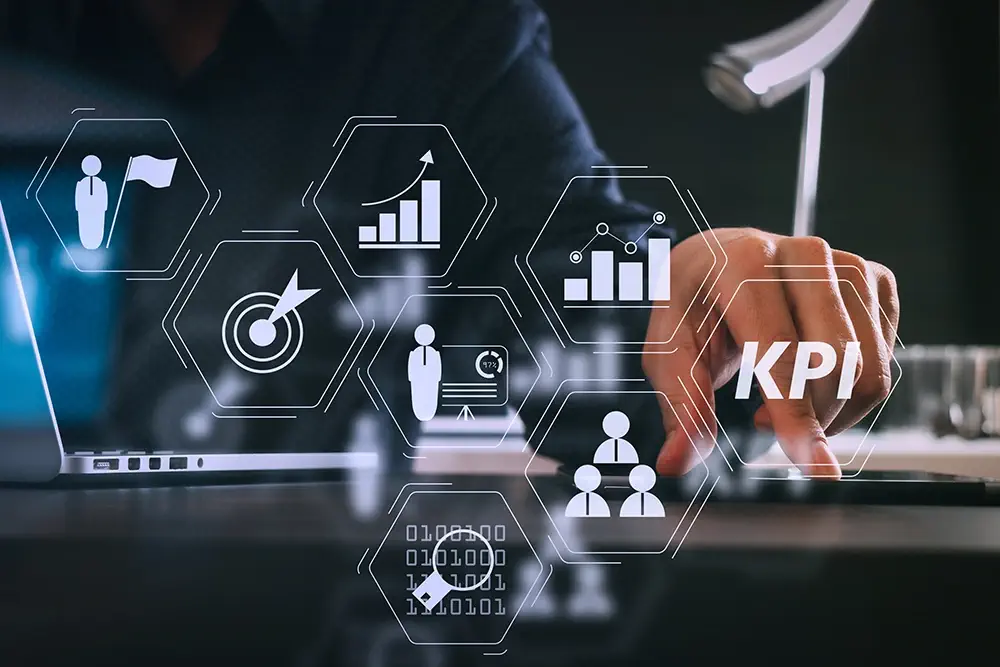
Tools That Make Evaluation Easier
Event management software plays a crucial role in helping organisers understand how to measure event success in a structured, efficient way. Modern platforms combine registration data, engagement analytics, survey tools and CRM integrations, allowing you to create comprehensive reports without complex manual work. Look for systems that display data in real time and centralise all metrics in one dashboard. This streamlines post-event analysis and ensures you never overlook key performance indicators.
Bringing It All Together
Ultimately, learning how to measure event success requires a balanced mix of quantitative data and qualitative insight. No two events will perform identically, so benchmarking over time is vital. Track trends, compare events with similar objectives and use your findings to refine future planning.
When you understand how to measure the success of an event in a clear and structured way, you can demonstrate value with confidence, secure stakeholder buy-in and deliver experiences that consistently improve. Whether you’re evaluating exhibitions, conferences or virtual events, applying these methods will help you build stronger, more impactful programmes.
If you would like to subscribe to our newsletter to get live updates on everything related to our platform – news, blogs, events, announcements and much more, please, register here.